Uninterruptible Power Supply
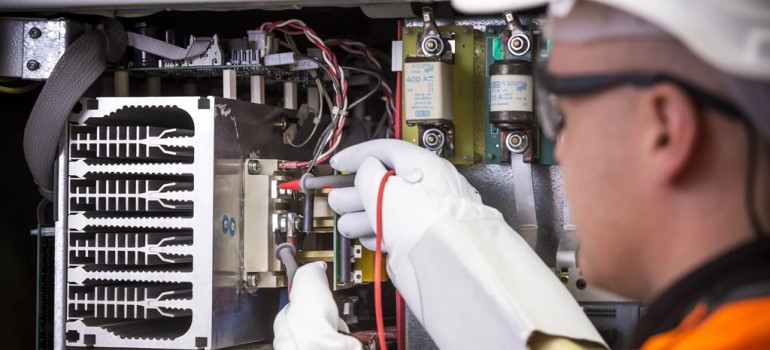
How Should Uninterruptible Power Supplies (UPS) Be Maintained?
Maintaining Uninterruptible Power Supplies (UPS) is crucial for ensuring the reliability and longevity of the device. Regular maintenance prevents unexpected failures and guarantees the safe operation of connected equipment. Here’s how to properly maintain a UPS:
- 1. Visual Inspection:
- 2. Battery Check:
- 3. Fans and Air Filters:
- 4. Software and Firmware Updates:
- 5. Load Testing:
- 6. Environmental Conditions:
- 7. Professional Service:
- 8. Record Keeping:
• Cables and Connections: Regularly inspect all cables and connections. Identify and replace any loose, damaged, or worn-out cables.
• Battery: Check the battery for any signs of swelling, leakage, or corrosion. These issues may indicate that the battery needs to be replaced.
• Exterior: Inspect the exterior of the UPS for any physical damage.
• Battery Voltage and Capacity: Regularly measure the battery’s voltage and capacity. Values lower than normal may indicate that the battery is nearing the end of its life.
• Charging Status: Ensure the battery is charging properly. Test or calibrate the battery charger as needed.
• Battery Replacement: Batteries typically have a lifespan of 3-5 years. Once this period is reached, they should be replaced with new ones.
• Fans: Regularly check and clean the cooling fans of the UPS. Ensure that the fans are functioning properly and that airflow is not obstructed.
• Air Filters: If the device has air filters, clean or replace them periodically. Dirty filters can cause the device to overheat.
• Software Updates: Keep the UPS monitoring and management software up to date. These programs are crucial for tracking system performance and detecting any issues early.
• Firmware Updates: Regularly check for firmware updates provided by the manufacturer and apply them when necessary.
• Conduct Load Testing: Perform load testing by running the equipment connected to the UPS on battery power for a period of time. This is important for evaluating the overall performance of the batteries and the UPS.
• Record Test Results: Record and compare the results of the load test. This can help determine if the battery capacity is decreasing.
• Temperature and Humidity: Monitor the temperature and humidity levels of the area where the UPS is located. High temperatures can shorten battery life. Ideally, UPS systems should be kept in a cool and dry environment.
• Dust and Dirt: Keep the area around the UPS clean. Dust and dirt can clog the cooling system and negatively impact performance.
• Regular Servicing: Ensure that the UPS undergoes a comprehensive maintenance check by a professional technician at least once a year. This service should include a detailed inspection and any necessary adjustments.
• Maintenance Logs: Keep records of all maintenance tasks, tests performed, and parts replaced. These logs are useful for identifying future issues and optimizing the maintenance schedule.
Regular maintenance of your UPS ensures reliable operation and prevents outages due to sudden failures. By following these maintenance steps, you can maximize the performance and lifespan of your UPS.